

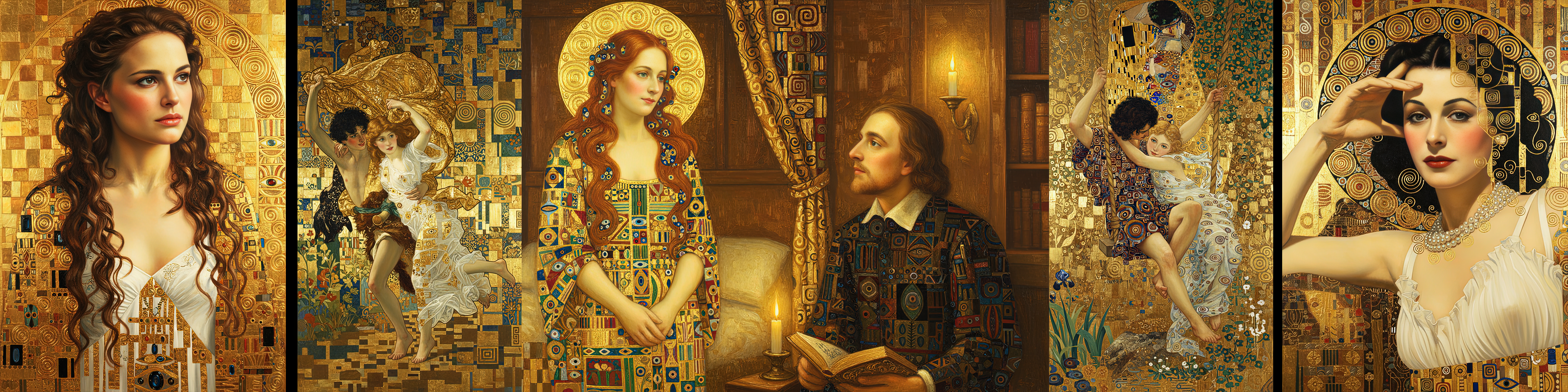



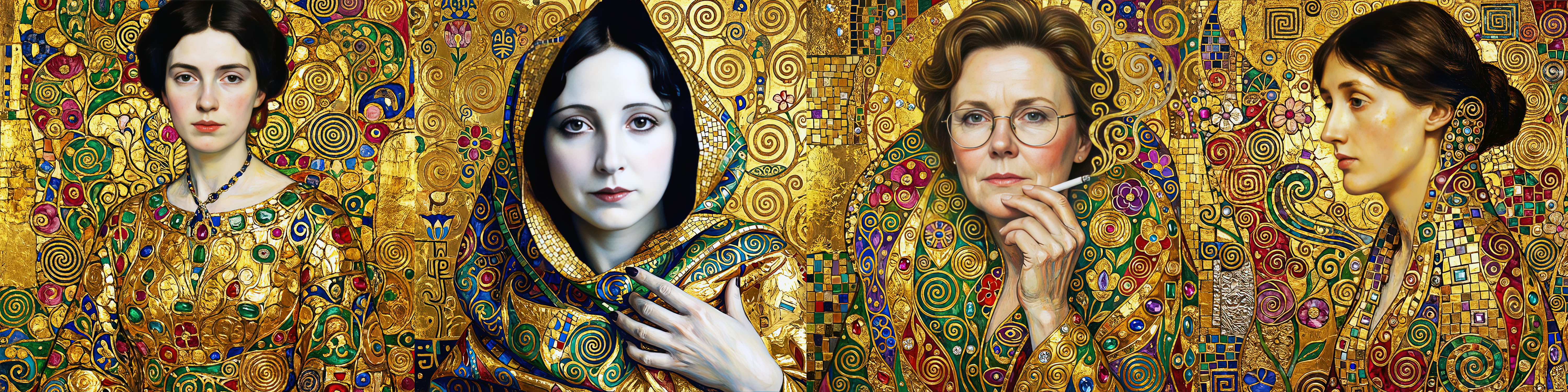










Excluded from formal office and largely barred from the male world of classical Chinese writing (kanbun 漢文), court women built a parallel authority through other means. They wrote in kana (仮名). They exchanged waka (和歌). They kept diaries. They observed. They waited. They remembered. Out of conditions shaped by erotic uncertainty, reputational risk, dependence, and prolonged anticipation, they forged the emotional materials that came to define Heian aesthetics: longing, jealousy, impermanence, and memory.1
Izumi Shikibu (和泉式部) stands at the center of this transformation not as an emblem of feminine excess, but as its clearest articulation. Through her writing, the inner workings of the system become visible. She is not an ornament of Heian culture; she is its diagnostic instrument.

1. Haruo Shirane, Traditional Japanese Literature: An Anthology, Beginnings to 1600 (New York: Columbia University Press, 2007), 3–10.


1. Haruo Shirane, Traditional Japanese Literature: An Anthology, Beginnings to 1600 (New York: Columbia University Press, 2007), 3–10.
You must be logged in to post a comment.