







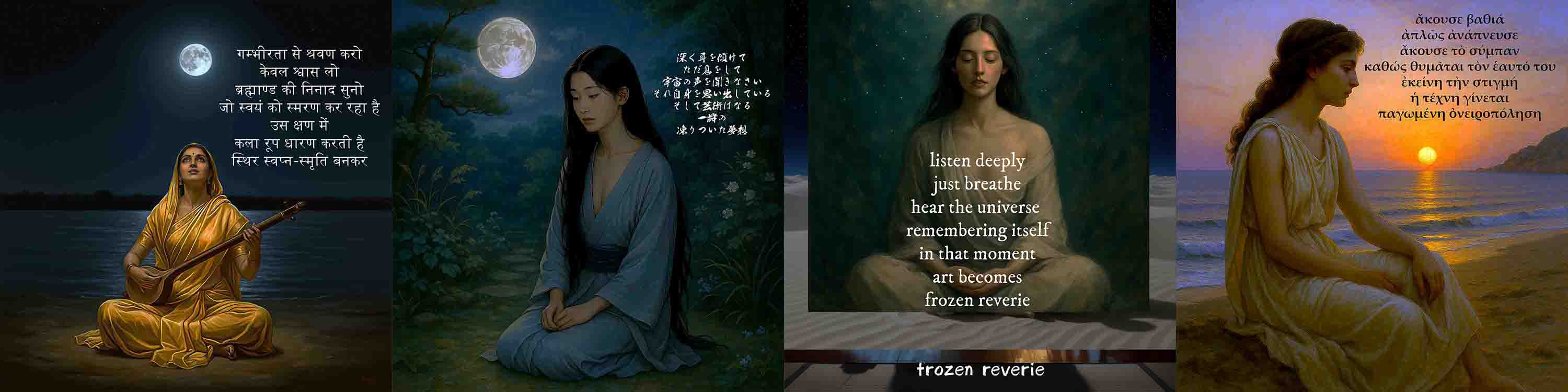



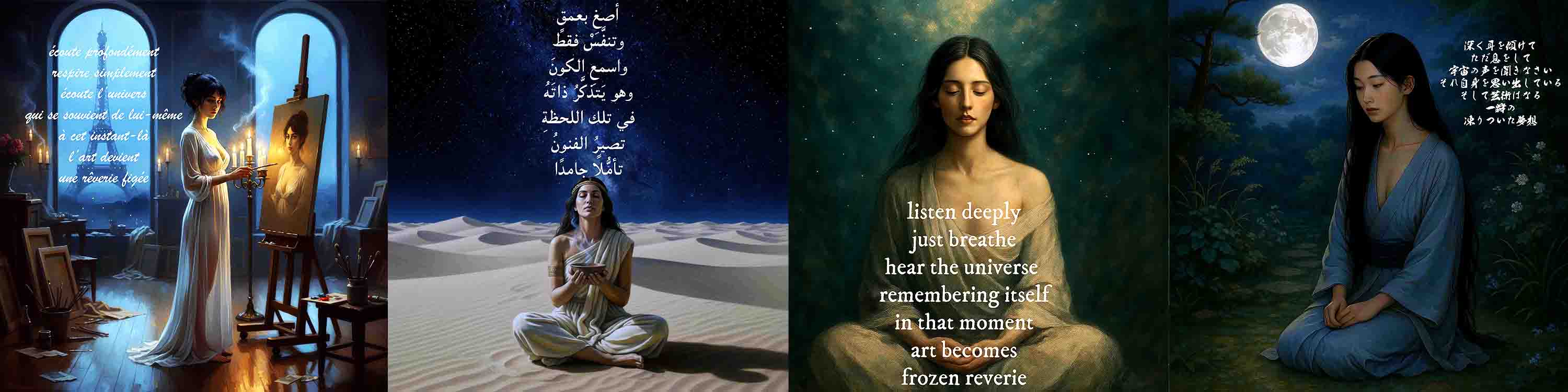

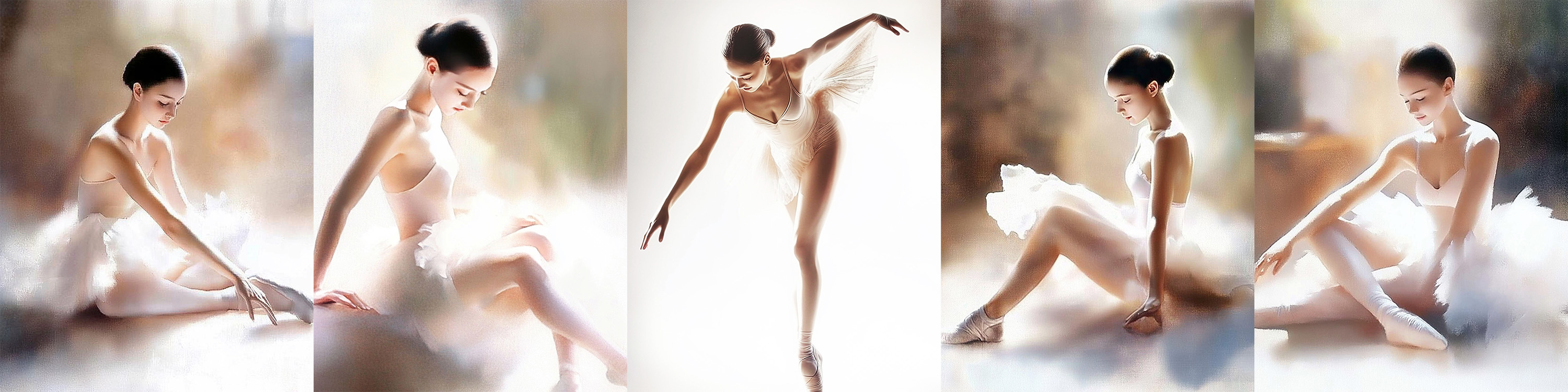
Rooted in Zen aesthetics, Haiku (俳句) embodies simplicity, impermanence, and mindfulness. Rather than elaborate metaphor or personal reflection, it seeks to evoke a shared sensory moment.
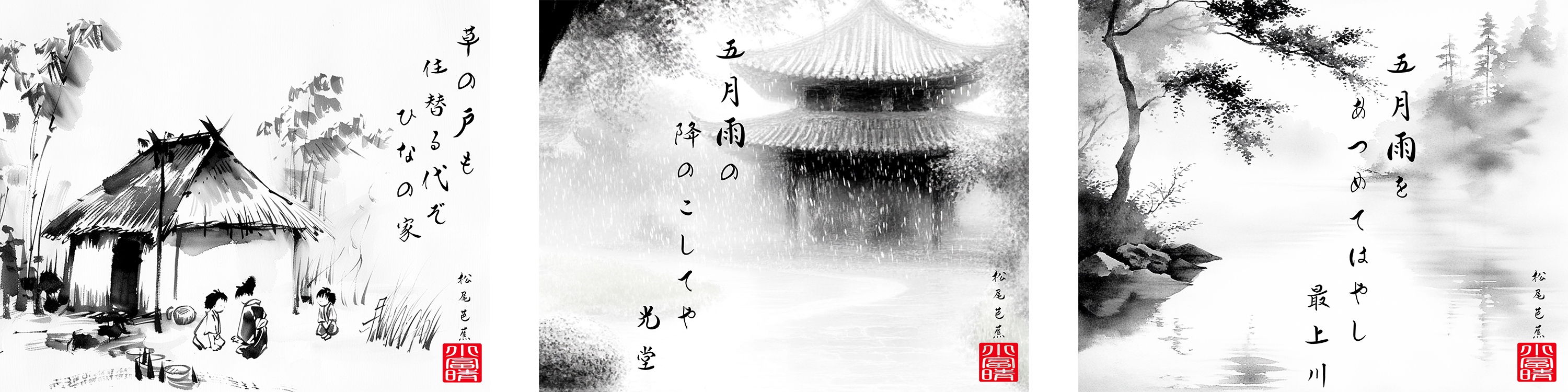
Haiku (俳句) is a traditional form of Japanese poetry that captures a fleeting moment in nature, emotion, or experience, distilled into just 17 syllables. Its structure is simple—three lines of 5, 7, and 5 syllables—but within this brevity lies extraordinary depth. Traditionally, it includes a kigo (seasonal reference) and a kireji (cutting word) that introduces a pause or contrast.
BASHO 俳句 HAIKU


CLICK ON ANY IMAGE BELOW TO ENTER SLIDESHOW MODE


My Japanese style art HANKO (stamp) is


小富晴 (ことばり / Kotobari) means SMALL FORTUNE SUNNY or SUNNY SMALL FORTUNE.
Phonetic and elegant, I think it’s really nice because it shortens Cotton to Koto, and is pronounced very smoothly – almost like a nickname one of my friends might have created for me.
小 (ko) means small
富 (to/tomi) means fortune or wealth
晴 (hare/bare) means “sunny” or “fair weather”
Copyright © 2010 Barry Arthur Cotton ALL RIGHTS RESERVED
B.A. Cotton reserves all rights to original poems, photographs, drawings and images he created using AI technology, as documented on his website https://bcottonbooks.shop
You must be logged in to post a comment.